
.png)


Why Playgrounds are still vital in neighbourhoods

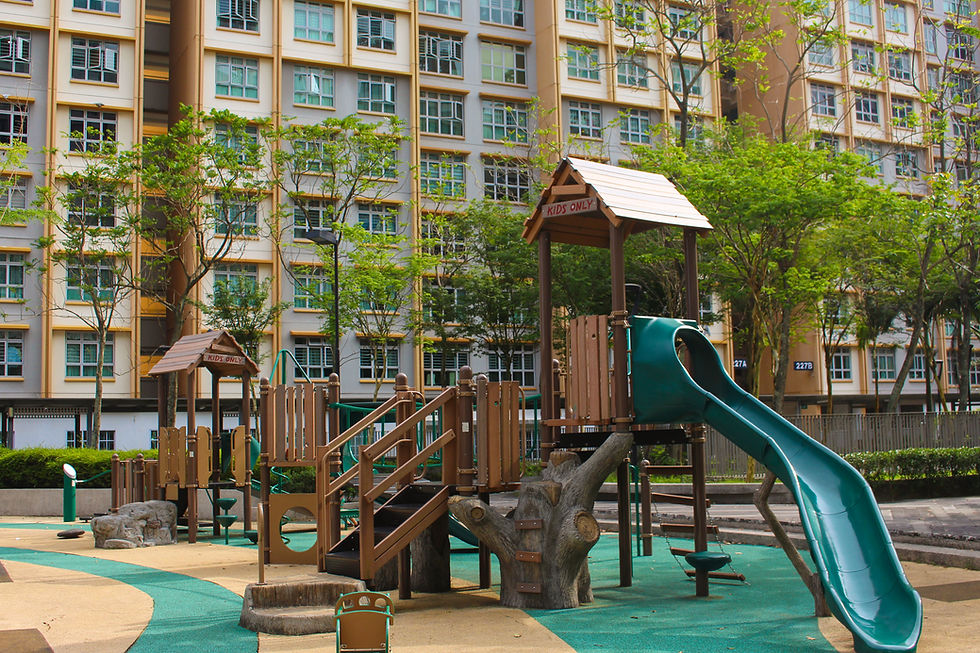
In every neighbourhood, certain spaces naturally bring people together. In Singapore, playgrounds are one of those spaces. Nestled within HDB estates, parks, and residential developments, they are often the first place where children make friends, families connect, and communities begin to take shape.
While playgrounds may seem like simple recreational areas, their impact goes far beyond play. They contribute to children’s development, support family life, and strengthen the social fabric of a neighbourhood.
A Space for Everyday Play and Development

For children, playgrounds are more than just a place to pass the time. They are environments where learning happens naturally through movement and interaction.
When children climb, run, balance, and explore, they are developing strength, coordination, and confidence. At the same time, they are learning how to assess risks, make decisions, and adapt to new challenges. These everyday play experiences support physical and cognitive development in ways that structured environments often cannot replicate.
Playgrounds also encourage imaginative and social play. Children create games, share ideas, and negotiate rules, all of which help build communication skills and emotional awareness.
Encouraging Social Interaction and Community Bonding

Playgrounds are often one of the few shared spaces where people of different ages and backgrounds come together informally. It also allows parents and caregivers to naturally interact while watching their children. Creating opportunities for conversations, friendships, and support networks.
For children, playgrounds are an important setting for social development. They learn how to take turns, cooperate, resolve conflicts, and build friendships. These interactions help them develop empathy and social confidence.
Over time, regular visits to the same playground can create a sense of familiarity and belonging. Faces become recognisable, and the playground becomes more than just a physical space. It becomes part of the community’s identity.
Supporting Health and Active Lifestyles

In a highly urbanised environment like Singapore, access to safe outdoor play spaces is essential for encouraging active lifestyles.
Playgrounds provide children with opportunities to move freely and engage in physical activity in a way that feels enjoyable rather than forced. This helps build healthy habits from a young age and supports overall well-being.
For families, having a playground nearby makes it easier to incorporate outdoor time into daily routines. Short visits after school or during weekends can make a meaningful difference in reducing sedentary behaviour and screen time.
Creating Inclusive Spaces for All

Modern playgrounds are increasingly designed to be inclusive, allowing children of different abilities and ages to play together. This is especially important in diverse neighbourhoods where families have varying needs.
Inclusive playgrounds offer a range of play experiences that cater to different comfort levels and abilities. They allow children to participate in ways that suit them, whether through active play, sensory exploration, or social interaction.
When playgrounds are inclusive, they foster understanding, empathy, and shared experiences among children. They also provide parents with reassurance that their children can participate fully in community life.
Making the Most of Limited Urban Space

In Singapore, where land is limited, every shared space must serve multiple purposes. Playgrounds are designed not only for play, but also as community touchpoints within compact environments.
Well-planned playgrounds maximise their impact by offering a variety of play opportunities within a relatively small footprint. They are often integrated with seating areas, greenery, and pathways, making them accessible and inviting for all residents.
This efficient use of space ensures that even in dense neighbourhoods, children have access to meaningful outdoor play in a way that makes sense.
Strengthening a Sense of Belonging

Beyond their physical and developmental benefits, playgrounds contribute to a sense of belonging within a neighbourhood.
When children grow up playing in the same spaces, those playgrounds become part of their memories and identity. For parents, regular visits create routines and connections that strengthen community ties.
A well-used playground reflects a healthy, active neighbourhood. It signals that the space is safe, welcoming, and valued by its residents.
Conclusion
Playgrounds are much more than recreational features. They are essential spaces that support child development, encourage active lifestyles, and bring communities together.
In neighbourhoods across Singapore, playgrounds play a quiet but powerful role in shaping daily life. They create opportunities for connection, growth, and shared experiences that extend far beyond the play structures themselves.
👉 Looking to create meaningful neighbourhood play spaces? Retro-Max designs playgrounds that support both play value and community connection, helping neighbourhoods thrive. Contact us today



Comments