
.png)


Insight into Wet Playgrounds Maintenance

Wet playgrounds look simple from the outside. You see colourful features, water sprays, and happy kids running around. But to keep all that fun safe and reliable every day, there is a lot more happening behind the scenes than most people realise.
Whether the wet playground is in a condominium, mall, school, or public park, proper maintenance protects children, prevents breakdowns, and ensures the water stays crystal clear. In Singapore’s hot and humid weather, this becomes even more important.
Here is a practical look at what it actually takes to maintain a wet playground properly.
Why Wet Playgrounds Need More Maintenance Than Dry Playgrounds
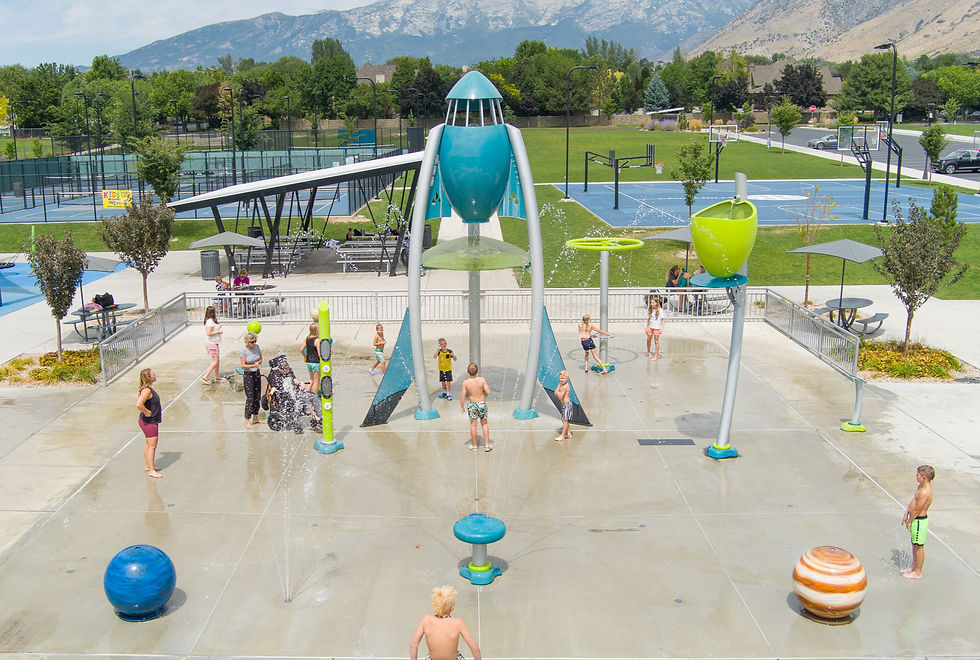
Unlike dry playgrounds, wet playgrounds deal with moving water, pumps, filters, chemicals, and constant contact with children’s skin.
In Singapore, the warm weather speeds up bacterial growth and keeps surfaces damp. This means algae can form quickly, and wet playgrounds are usually in use every day. NEA and PUB also have strict guidelines that operators must follow
So maintenance is not just a routine checklist. It is essential for safety.
Then begs the question, what exactly should you be checking and maintaining for year-round effortless play?
1. Keeping the Water Safe

The water that sprays from a splash pad isn’t just tap water. It is treated, filtered, and reused in a closed-loop system. To keep users safe, operators monitor the water regularly.
Routine testing includes
Monthly tests
Every month, water samples are sent to approved laboratories for Chemical Analysis and Bacteriological Count Testing. These tests verify that the water continues to meet NEA’s water safety standards and is free from harmful bacteria.
Quarterly Tests
Once every quarter, more detailed microbiological tests are carried out, including the Legionella Count Test and the Pseudomonas Aeruginosa Count Test. These bacteria can thrive in warm, wet environments, which makes regular monitoring especially important in Singapore’s climate.
Visual and Operational Monitoring
Between lab tests, operators keep an eye on the system during routine visits. This usually includes checking that the water looks clear, the sprays are functioning properly, and there are no unusual smells or signs of system issues. If something seems off, the playground can be temporarily closed for investigation and treatment before reopening.
2. Keeping The Water Clear

A wet playground relies on a filtration system to remove dirt, sunscreen, hair, and other particles that naturally enter the water during play. Keeping the system in good condition helps the water stay clear, and the overall system runs smoothly.
Key maintenance tasks include
Backwashing the filter twice a month to clear out accumulated debris
Cleaning and checking the strainers twice a month, since they collect larger particles.
Cleaning the balancing tank annually as part of deeper system maintenance.
Replace filter media as needed, depending on usage and water quality.
Maintaining clear, properly filtered water is essential for user safety and ensures the wet lay system operates reliably at all times.
3. Keeping The Water Moving

Under the surface, every splash pad has pumps, pipes, and valves that control:
How strong the water sprays
Which features turn on
How quickly water circulates
Routine checks include:
Making sure pumps aren’t overheating
Checking for leaks
Clearing blocked pipes
Ensuring spray nozzles aren’t clogged with mineral deposits
If the pumps fail, the whole playground stops. This is literally the heart of the system.
4. Control Systems

Most modern wet playgrounds are automated.
These systems:
Activate features in sequences
Save energy by controlling pump runtime
Regulate water pressure
Automate chemical dosing for safe water
Maintenance teams check:
Sensors
Control panels
Software settings
Emergency shut-off functions
These systems help ensure the splash pad behaves the same way every day — reliable, consistent, and safe.
5. Preventing Slips and Protecting Little Feet

The colourful flooring you see at wet playgrounds is specially designed to be:
Non-slip
Soft enough to cushion falls
Comfortable on small feet
But because it’s constantly wet, it can develop:
Algae
Soap-like biofilm
Dirt build-up
So it needs:
Regular cleaning with the right pressure and solutions
Disinfecting the surface
Checking for cracks, peeling, or areas that have become slippery
This helps prevent accidents and keeps the play area looking bright and welcoming.
6. Drains, Gratings, and Water Flow

Drains might not be obvious, but they're everywhere. They return water back into the system to be filtered and reused.
They clog easily with:
Leaves
Hair
Small stones
Dirt from shoes
Bits of rubber flooring
Blocked drains can cause flooding, standing water, and hygiene issues. So clearing them is a constant, important task.
7. Play Features Need Care Too

Users interact with the features directly, so these need to be in good condition.
Maintenance teams check:
Bolts and fittings
Spray patterns
Nozzles
Sensors
LED lights
Moving parts (e.g., rotating spray arms, buckets, etc.)
This prevents breakdowns and ensures all elements work as intended.
8. A Realistic Maintenance Schedule (Easy Breakdown)
Frequency | Tasks |
Daily | · General visual inspection of all equipment, surfaces, and water conditions by the operator. |
Twice a Month | · Inspect pumps, pipes, seals, and connections for leaks, wear, or unusual conditions, and carry out corrective actions as needed. · Check mechanical components (e.g., couplings and joints) for alignment, tightness, and proper operation. Lubricate or adjust as required. · Clean strainers and other key water system components. · Test control panels and system operation. · Perform filter backwashing. · Maintain chemical levels in the balancing tank. |
Monthly | · Sampling and testing of chemical levels and bacteriological counts. · Clean manifold solenoid valves · General cleaning of wet play elements and safety flooring. · Inspect spray patterns and clear any clogs. |
Quarterly | · Sampling and testing for Legionella bacteria counts. · Sampling and testing for Pseudomonas aeruginosa counts. |
Annually | · Clean and replace balancing tank water. |
This schedule ensures long-term safety and reduces unexpected closures.
9. Why Proper Maintenance Matters to Parents

Good wet playground maintenance means:
Safer play — no harmful bacteria, no slippery floors
Better experience — all water features work as intended
Cleaner water — clear, free of unusual odors, and reduces the risk of skin or eye irritation
More reliability — fewer sudden closures or repair downtime
Longer lifespan — reduces the need for expensive overhauls
A well-maintained wet playground shows that the operator takes user's health and safety seriously.
Final Thoughts
Maintaining a wet playground is a combination of science, engineering, and consistent care. Every pump, filter, spray nozzle, and water droplet is part of a bigger system designed to give families safe, joyful, and worry-free play.
With the right maintenance routine, Singapore's wet playgrounds can stay clean, safe, and fun for years to come.
👉 Want to build or maintain a wet playground? Retro-Max offers design, installation, servicing, and upkeep tailored to Singapore’s climate and safety standards. Contact Retro-Max


Comments